
Traditional Ayurvedic Therapy for Cleansing, Balance and Wellness
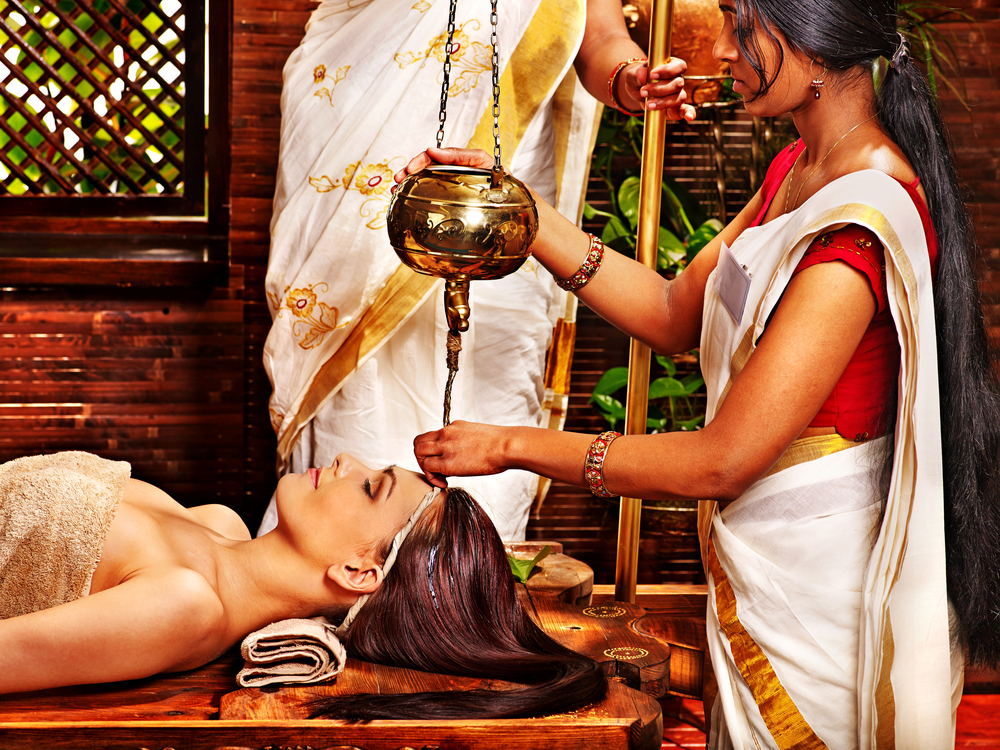
A Traditional Approach to Ayurvedic Wellness
Panchakarma is one of the most recognised therapeutic approaches in Ayurveda. It is a traditional system of specialised Ayurvedic procedures designed to support the body's natural processes of cleansing, balance and rejuvenation.
The word Panchakarma refers to five classical therapeutic procedures described in Ayurveda. However, Panchakarma is not a single treatment or a standard package. The therapies are selected according to an individual's constitution, health condition, digestive strength, lifestyle and specific therapeutic requirements.
At Shodhan Ayurveda, Panchakarma is approached as a personalised Ayurvedic program under the guidance of a qualified Ayurvedic physician.
What Is Panchakarma?
According to classical Ayurveda, Panchakarma includes five principal therapeutic procedures traditionally known as Vamana, Virechana, Basti, Nasya and Raktamokshana.
Not every person requires all five procedures. The appropriate therapy is selected after an individual assessment.
Ayurveda also places importance on preparation and recovery. Preparatory therapies such as Abhyanga and Swedana may be recommended before selected procedures, followed by appropriate dietary and lifestyle guidance after treatment.
The overall approach is intended to support balance rather than simply provide a temporary cleansing experience.
Why Is Panchakarma Recommended?
Ayurveda considers balanced digestion, appropriate lifestyle and harmony of the doshas important foundations of health.
Irregular eating habits, sedentary routines, stress, poor sleep and unsuitable lifestyle patterns may affect overall well-being. Panchakarma may be incorporated into an Ayurvedic care plan when a physician considers a deeper therapeutic approach appropriate.
It may be considered as part of personalised care for digestive concerns, lifestyle-related imbalances, musculoskeletal wellness, stress management and rejuvenation.
Panchakarma is not suitable for everyone, and its procedures should be selected only after appropriate professional assessment.
How Is Panchakarma Done?
1. Ayurvedic Consultation
Treatment begins with an assessment of the individual's health history, constitution, symptoms, digestion, lifestyle and general strength. The physician determines whether Panchakarma is appropriate and identifies the most suitable approach.
2. Preparation
Preparatory therapies may be recommended depending on the treatment plan. These can include traditional therapies such as Abhyanga and Swedana along with specific dietary and lifestyle instructions.
3. Main Therapy
The selected Panchakarma procedure is then performed under professional supervision. The procedure, duration and intensity vary depending on the individual's needs.
4. Post-Treatment Care
After the main therapy, appropriate diet, rest and lifestyle recommendations may be provided. Ayurveda traditionally considers this recovery period an important part of the overall process.
Panchakarma and Digestive Wellness
Digestion, known as Agni in Ayurveda, plays an important role in maintaining health.
Panchakarma may be combined with personalised Ayurvedic nutrition and lifestyle recommendations to support healthy digestion and encourage better daily habits.
Rather than focusing only on a procedure, the Ayurvedic approach looks at food choices, meal timing, sleep, activity and other lifestyle factors.
Panchakarma for Overall Wellness
Modern lifestyles can involve stress, irregular schedules, prolonged sitting and inadequate rest.
A personalised Ayurvedic program may combine Panchakarma with yoga, nutrition, relaxation practices and lifestyle modification.
This holistic approach focuses on the individual's overall well-being rather than addressing only one aspect of health.
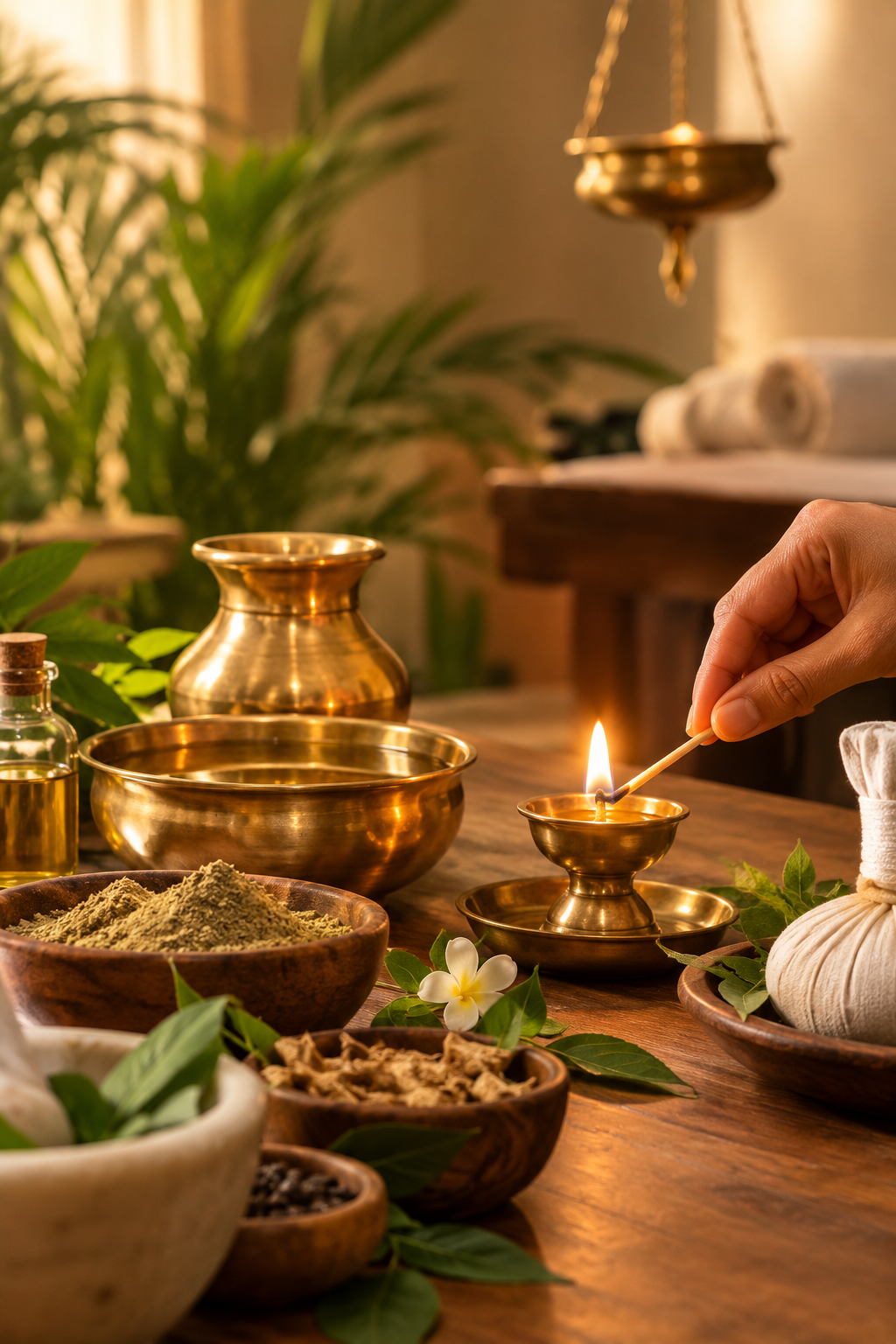
Who May Benefit?
Panchakarma may be considered for adults seeking personalised Ayurvedic care for:
- Digestive and lifestyle-related concerns
- General wellness and rejuvenation
- Stress and relaxation support
- Musculoskeletal wellness
- Preventive health and lifestyle management
- Traditional Ayurvedic cleansing programs
- Support for healthy sleep and daily routines
- People looking to improve overall vitality and well-being
- Individuals seeking personalised Ayurvedic lifestyle guidance
- Wellness support after periods of physical or mental stress
The suitability of treatment differs from person to person. People with existing medical conditions, those taking medicines, or those requiring specialised care should discuss their complete health history with the physician before treatment.
Personalised Panchakarma at Shodhan Ayurveda
At Shodhan Ayurveda, Panchakarma is planned according to the individual's needs rather than following a fixed treatment package.
The Ayurvedic physician considers constitution, lifestyle, health concerns and therapeutic goals before recommending the appropriate procedures.
The program may also include personalised diet, herbal support, yoga, lifestyle guidance and other Ayurvedic therapies when appropriate.
Conclusion
Panchakarma is a traditional Ayurvedic therapeutic approach focused on personalised care, balance and overall wellness. It involves assessment, preparation, selected therapeutic procedures and appropriate post-treatment care.
When recommended and supervised by a qualified Ayurvedic physician, Panchakarma can form part of a broader Ayurvedic approach to health and well-being.
At Shodhan Ayurveda, every Panchakarma program is designed according to individual needs, with an emphasis on traditional Ayurvedic principles and practical lifestyle guidance.
Book a personalised consultation at Shodhan Ayurveda to understand whether Panchakarma is suitable for your individual health and wellness needs.
