
Gout: Causes, Early Signs & Treatment in Ayurveda
What is Gout?
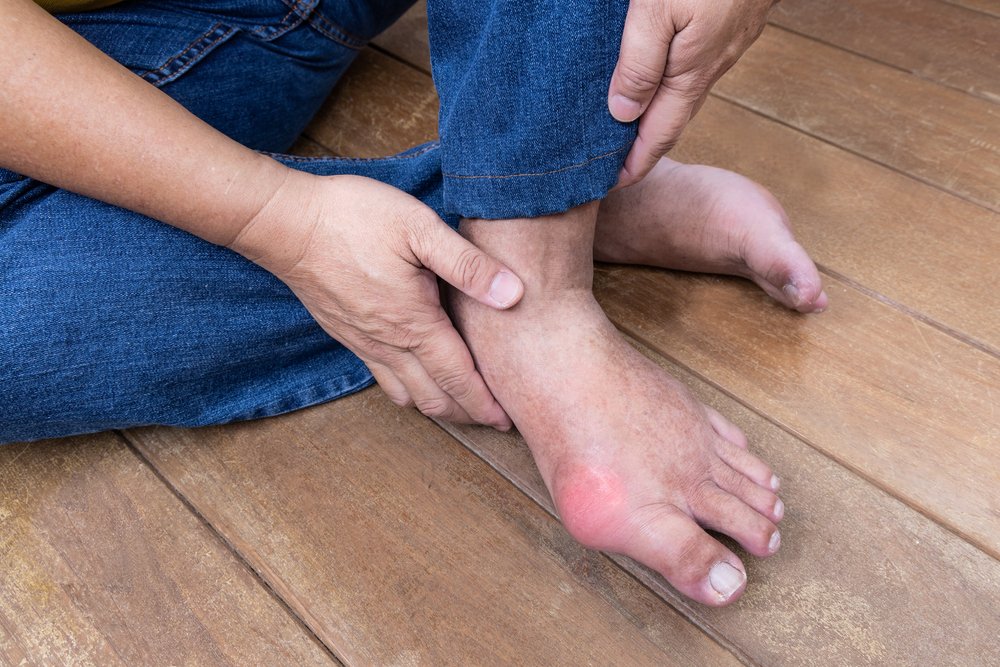
The buildup of uric acid crystals in the joints causes gout, a kind of inflammatory arthritis. Purines, which may be found in many foods and in the body's own cells, are broken down into uric acid as a consequence. Under typical conditions, the kidneys remove extra uric acid, which is then eliminated in the urine. However, uric acid can build up in the blood and form crystals in the joints if the body produces too much of it or if the kidneys are unable to remove it effectively. These crystals induce swelling, discomfort, and stiffness in the afflicted joint as a result of the inflammation they generate. The big toe joint is frequently affected by gout, but other joints, including the ankle, knee, wrist, and elbow, may also be affected. It is more prevalent in men and frequently co-occurs with other health issues such diabetes, high blood pressure, and obesity.
Is Gout Different from Joint Pains?
Yes, gout is a type of joint pain, but it is different from other types of joint pain.
Gout is a specific type of inflammatory arthritis caused by the buildup of uric acid crystals in the joints. It typically affects one joint at a time, and the pain can be intense and sudden, often occurring at night or early in the morning. The joint may also become red, swollen, and tender to the touch.
The reasons of joint discomfort, on the other hand, might range from injury to misuse to wear and tear. In addition, various medical disorders like osteoarthritis or rheumatoid arthritis can cause joint discomfort as a symptom. One or more joints may be affected by joint pain, which may also be accompanied by additional symptoms including stiffness, oedema, and decreased range of motion.
What are the main factors that cause Gout?
Diet
Eating foods that are high in purines, such as red meat, organ meats, and seafood, can increase uric acid levels in the body and contribute to gout.
Genetics
Some people may have a genetic predisposition to gout, making them more likely to develop the condition.
Obesity
Being overweight or obese can increase the risk of gout, as excess weight can lead to higher levels of uric acid in the blood.
Medications
Certain medications, such as diuretics, can increase the risk of gout by interfering with the body's ability to excrete uric acid.
Medical Conditions
Certain medical conditions, such as high blood pressure, diabetes, and kidney disease, can increase the risk of gout.
Alcohol Consumption
Drinking alcohol, particularly beer, can increase the risk of gout by increasing uric acid production and impairing the body's ability to excrete uric acid.
Dehydration
Dehydration can lead to higher concentrations of uric acid in the blood, which can increase the risk of gout.
What are the Early Signs and Noticeable Changes in Body?
Sudden and intense joint pain
The first sign of gout is often sudden and intense joint pain, typically in the joint at the base of the big toe. The pain can be so severe that even the weight of a bedsheet or blanket can cause discomfort.
Swelling
The affected joint may become swollen, red, and tender to the touch.
Warmth
The affected joint may feel warm to the touch.
Stiffness
The joint may feel stiff, making it difficult to move.
Reduced range of motion
As the condition progresses, the joint may become more difficult to move, leading to a reduced range of motion.
Other joint involvement
Gout can also affect other joints in the body, such as the ankle, knee, wrist, and elbow.
Tophi
Over time, gout can lead to the formation of tophi, which are small, hard nodules that can form under the skin around the affected joint.
Ayurvedic Say on Gout?
Gout is viewed in Ayurveda as a condition of the blood tissue and Vata Dosha. According to Ayurvedic principles, an imbalance in the Vata Dosha causes the body to accumulate toxins (Ama), which can lead to joint discomfort and inflammation, including gout.
Gout may be treated holistically using Ayurveda, which emphasises balancing the doshas, enhancing digestion, getting rid of impurities, and lowering inflammation in the afflicted joints. This is accomplished by combining food adjustments, lifestyle adjustments, and herbal therapies.
Some Ayurvedic herbs that are commonly used in the treatment of gout include guggulu, triphala, ginger, turmeric, and ashwagandha. These herbs are believed to help reduce inflammation and pain in the joints, while also supporting overall health and well-being.
Ayurvedic dietary recommendations for gout include avoiding foods that are high in purines, such as red meat, organ meats, and seafood, as well as consuming foods that are anti-inflammatory, such as fruits, vegetables, and whole grains. Additionally, regular exercise, stress management techniques, and adequate sleep are also important components of an Ayurvedic approach to gout.
What Food Causes Gout
Gout is caused by uric acid crystals in the joints, causing inflammation and severe discomfort. Diet is one of the causes of gout. Foods may cause gout or raise uric acid levels. Gout-related foods and drinks include:
Purine-rich foods
Foods contain purines. Uric acid comes from purine breakdown. Purine-rich diets raise uric acid levels. Organ meats, red meat, seafood (anchovies, sardines, mussels), and certain game meats contain purines.
Alcohol
Beer, particularly, may cause gout episodes. Alcohol impairs uric acid removal and raises levels. Alcohol dehydrates, causing gout episodes.
Sugary drinks
Soda and fruit juices with added sugars increase gout risk. Many processed meals and drinks include high-fructose corn syrup, which raises uric acid levels and causes gout flares.
Fruits and sweets with fructose
Fruits and sweets with fructose may increase uric acid production. Sugary fruits, fruit juices, and foods containing high-fructose corn syrup contain fructose.
Processed meals
Processed meals are heavy in refined carbs, harmful fats, and additives. These foods may increase weight and insulin resistance, gout risk factors. Fast meals, packaged snacks, sweet desserts, and processed carbohydrates.
How Ayurveda Can Help to Control Gout?
Ayurveda can help control gout in several ways. Here are some of the ways Ayurveda can help:
Reducing inflammation
Ayurveda focuses on reducing inflammation in the body, which is a key factor in the development of gout. Ayurvedic herbs like turmeric, ginger, and guggulu have anti-inflammatory properties that can help reduce inflammation and pain in the joints.
Eliminating toxins
Ayurveda emphasizes the importance of eliminating toxins from the body to prevent and manage health conditions. Ayurvedic detoxification therapies like Panchakarma can help eliminate excess uric acid and other toxins from the body, which can help prevent gout attacks.
Improving digestion
Ayurveda places great importance on maintaining good digestive health. Poor digestion can lead to the accumulation of toxins in the body, which can contribute to gout. Ayurvedic herbs like triphala and ginger can help improve digestion and reduce the risk of gout attacks.
Strengthening the immune system
Ayurveda focuses on strengthening the immune system to prevent and manage health conditions. A strong immune system can help prevent gout attacks and reduce inflammation in the body.
Balancing doshas
According to Ayurveda, imbalances in the three doshas - Vata, Pitta, and Kapha - can contribute to the development of health conditions like gout. Ayurvedic treatments aim to balance the doshas to promote overall health and wellbeing.
Ayurvedic Treatment options for Gout?
Ayurvedic treatment for gout aims to reduce the accumulation of uric acid in the body and improve joint health. Here are some Ayurvedic treatment options for gout:
Diet modifications
Ayurvedic treatment for gout involves making dietary changes, including avoiding foods that are high in purines, such as red meat, shellfish, and organ meats. Instead, focus on consuming a diet rich in vegetables, whole grains, and fruits, which can help reduce inflammation in the body.
Herbal remedies
There are several Ayurvedic herbal remedies that can be used to treat gout. Some of the most commonly used herbs include ginger, turmeric, guggulu, and ashwagandha. These herbs have anti-inflammatory properties that can help reduce pain and inflammation in the joints.
Lifestyle modifications
Ayurveda emphasises the importance of leading a healthy lifestyle to prevent and manage health conditions. Exercise regularly, practice stress-reducing techniques like yoga and meditation, and avoid alcohol and smoking.
Panchakarma
Panchakarma is an Ayurvedic detoxification therapy that involves a series of massages and treatments to remove toxins from the body. Panchakarma can be beneficial for people with gout as it can help eliminate excess uric acid from the body.
Ayurvedic oils
Ayurvedic oils like mahamasha taila or pinda taila can be applied topically to the affected joint to reduce pain and inflammation.
Yoga
Yoga is a mind-body practice that can help reduce stress and improve joint flexibility and strength. Certain yoga poses like the warrior pose, triangle pose, and downward-facing dog can be beneficial for people with gout.
Ayurvedic Home Remedies For Gout
Traditional Indian medicine, Ayurveda, has several home treatments for gout. These medicines should be used with medical advice by a skilled Ayurvedic practitioner. Ayurvedic home treatments for gout include:
Natural Support for
Gout Management
Ayurveda focuses on traditional herbs, dietary practices, hydration, and supportive home care to help manage gout symptoms.
Ginger and Turmeric
Anti-inflammatory ginger and turmeric helps lessen gout pain and inflammation. Add fresh ginger and turmeric to your cooking or make a turmeric-ginger tea.
Giloy (Tinospora cordifolia)
An immune-modulating and anti-inflammatory Ayurvedic herb. It reduces inflammation and gout symptoms. Giloy is available as capsules, pills, and decoctions.
Cherries
Cherries reduce uric acid and inflammation. Cherry juice or fresh cherries may alleviate gout symptoms.
Castor Oil
Ayurveda uses castor oil for joint discomfort. Warm castor oil massages relieve gout pain and inflammation.
Triphala
Triphala contains amalaki, bibhitaki, and haritaki. It detoxifies and regulates digestion. Ayurvedic practitioners may recommend it for gout treatment.
Avoiding purine-rich foods
Organ meats, red meat, seafood, and alcohol may cause gout attacks. Limit these trigger foods and eat more fruits, vegetables, healthy grains, and lean meats.
Hydration
Water flushes uric acid and maintains hydration. Drink 8–10 glasses of water everyday.
What to Eat and Not?
Diet plays an essential role in managing gout. Here are some dietary guidelines for managing gout through Ayurveda:
Choose More
Vegetables
Eat plenty of fresh vegetables, especially leafy greens, as they are low in purines and high in nutrients.
Whole grains
Choose whole grains like brown rice, quinoa, and oats, which are high in fiber and low in purines.
Fruits
Eat fruits like cherries, strawberries, blueberries, and citrus fruits, which are low in purines and high in antioxidants.
Herbal teas
Drink herbal teas like ginger tea, turmeric tea, and dandelion tea, which can help reduce inflammation and flush out toxins from the body.
Plant-based protein
Choose plant-based sources of protein like beans, lentils, and tofu, which are low in purines.
Limit These
Red meat
Avoid red meat, including beef, pork, and lamb, as they are high in purines.
Seafood
Avoid seafood like anchovies, sardines, mussels, and scallops, as they are high in purines.
Alcohol
Avoid alcohol, especially beer, as it can increase uric acid levels in the body.
Sugary foods
Avoid sugary foods like candy, soda, and pastries, as they can contribute to inflammation in the body.
Fried foods
Avoid fried foods like French fries and fried chicken, as they are high in saturated fats and can contribute to inflammation in the body.
Understanding Gout Care
How can I manage a gout attack?
Managing a gout attack involves a combination of self-care strategies and medical interventions. Here are some tips to help you manage a gout attack:
Rest the Affected Joint
During a gout attack, it's important to rest the affected joint and avoid putting weight on it. Limit movement to reduce pain and inflammation.
Apply Ice
Applying ice to the affected joint can help reduce pain and inflammation. Use an ice pack or wrap a bag of ice cubes in a towel and apply it to the area for 15-20 minutes at a time, several times a day.
Stay Hydrated
Drink plenty of water to help flush out uric acid and prevent crystal formation. Adequate hydration also supports kidney function, which is important for gout management.
Elevate the Joint
Elevate the affected joint to help reduce swelling and promote blood circulation. Prop the joint up on a pillow or cushion to achieve a comfortable position.
Understanding the Signs, Causes & Home Remedies
What are the first signs of having gout?
Sudden Joint Pain
Gout usually causes significant joint pain. Nighttime or morning discomfort might be terrible. The joint may hurt and swell.
Redness and Swelling
The afflicted joint may become inflamed. Joint skin may be glossy and heated.
Limited Movement
Pain and edoema may impede joint mobility. Joint movement is excruciating.
Tenderness to Touch
Touching the joint may cause pain. The smallest touch might cause severe discomfort.
Recurrent Attacks
Gout commonly occurs in "attacks" of joint inflammation. After the first episode, symptoms may subside, followed by flare-ups.
What causes gout in feet
Diet
Consuming foods that are high in purines can increase the level of uric acid in the body. Foods rich in purines include red meat, organ meats (liver, kidney), shellfish, certain fish (such as sardines and anchovies), and some types of legumes (like lentils and beans).
Lifestyle Factors
Certain lifestyle choices can contribute to the development of gout. Excessive alcohol consumption, particularly beer, can raise uric acid levels. Additionally, being overweight or obese increases the risk of developing gout.
Genetic Predisposition
Some individuals may have a genetic predisposition to elevated uric acid levels, making them more susceptible to developing gout.
Medical Conditions
Certain medical conditions can increase the risk of gout. These include kidney disease, high blood pressure, diabetes, and metabolic syndrome.
Medications
Certain medications, such as diuretics (used to treat high blood pressure and edema) and low-dose aspirin, can interfere with the elimination of uric acid from the body, leading to higher levels of uric acid and an increased risk of gout.
What causes gout in females
Hormonal factors may alter uric acid levels in women. During menopause, oestrogen levels drop, raising uric acid levels and rendering women more prone to gout. HRT and some contraceptives may also influence uric acid levels.
Hormonal changes during menopause might impair uric acid elimination, increasing women's gout risk.
Gout may be inherited. Women with a family history of gout may be at risk.
Obesity and weight gain may raise uric acid levels and gout risk. Gout risk increases with age and pregnancy weight gain in women.
Diuretics, a popular female prescription, might raise uric acid levels and gout risk.
High blood pressure, diabetes, metabolic syndrome, and renal disease may raise gout risk in both men and women.
Purine-rich meals and alcohol may raise uric acid levels and increase gout risk in women.
Home remedies for gout
Ginger and Cumin Tea
Prepare a tea by boiling one teaspoon of ginger powder and half a teaspoon of cumin seeds in two cups of water. Strain the tea and drink it twice a day to help reduce inflammation and pain associated with gout.
Triphala Powder
Triphala is an Ayurvedic herbal formulation that consists of three fruits: Amalaki (Indian gooseberry), Bibhitaki, and Haritaki. Mix one teaspoon of Triphala powder in a glass of warm water and consume it before bedtime. Triphala helps in detoxification and supports overall digestion.
Turmeric Milk
Turmeric has anti-inflammatory properties that may help reduce pain and inflammation in gout. Add one teaspoon of turmeric powder to a glass of warm milk and drink it before bedtime.
Ajwain (Carom Seeds) Water
Boil one teaspoon of ajwain seeds in two cups of water. Strain the mixture and let it cool. Drink this water throughout the day to help relieve gout symptoms.
Castor Oil
Warm some castor oil and massage it gently over the affected joint. This can help reduce pain and inflammation. You can also apply a castor oil pack by soaking a cloth in warm castor oil and placing it on the joint for 15-20 minutes.
Herbal Decoction
Prepare a decoction by boiling equal parts of giloy (Tinospora cordifolia), neem (Azadirachta indica), and guggulu (Commiphora mukul) in water. Strain the decoction and drink it twice a day to help detoxify the body and reduce inflammation.
Dietary Modifications
Follow a low-purine diet by avoiding high-purine foods such as organ meats, shellfish, and certain legumes. Focus on consuming fresh fruits, vegetables, whole grains, and lean proteins.