
Kidney Stone: Causes, Signs & No Surgery Medication
What Are Kidney Stones?
Kidney stones are most common in people between the ages of 40 and 60, but anyone, even those in their early 20s, has the potential to develop them. Nephrolithiasis is another name for the disease that occurs when kidney stones are present. It is a condition in which pieces of material that are solid form and become lodged in the kidneys or the urinary tract. (stones). Calcium, uric acid, and struvite are a few of the components that can contribute to the formation of these stones.
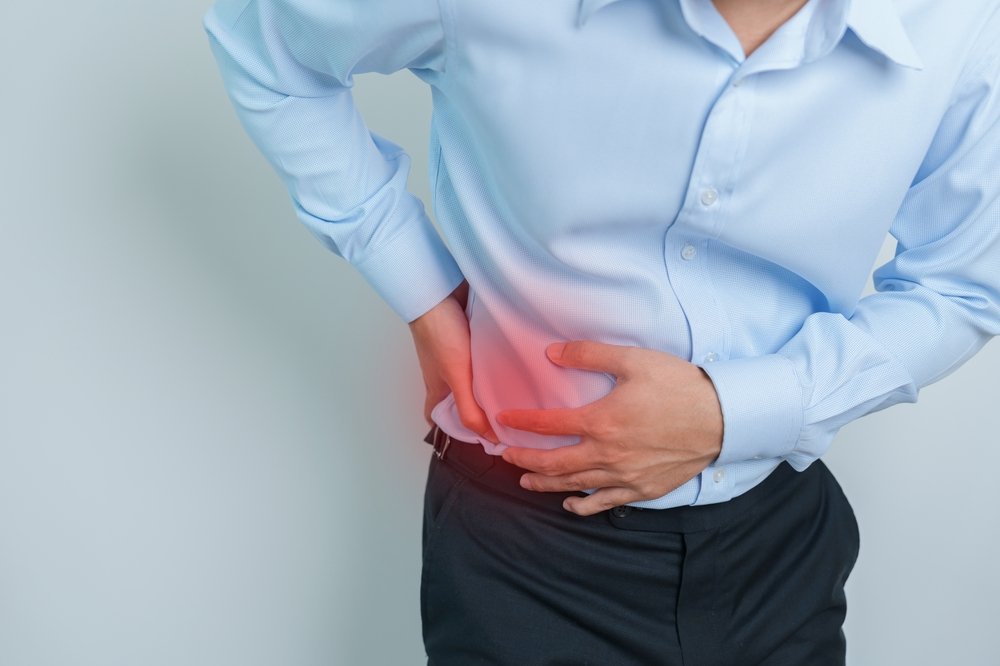
Pain Areas of Kidney Stones
- Severe pain that starts and stops suddenly.
- Pain may be felt in the belly area or flanks.
- Radiating pain from back to the groin area (groin pain).
- Sharp pain from side back to below the ribs.
What are the Different Types of Kidney Stone?
The following are the various types of kidney stones based on their composition: According to their composition, the various kinds of kidney stones are as follows:
Calcium Stones
The most typical kidney stone type: calcium stones are composed of either calcium oxalate or calcium phosphate.
Uric Acid Stones
These stones are caused by excessively acidic urine and are frequently linked to gout or chemotherapy.
Struvite Stones
Struvite stones are made of magnesium, ammonium, and phosphate and are brought on by an infection of the urinary tract.
Cystine Stones
These uncommon stones are brought on by an inherited condition that interferes with the body's ability to process amino acids.
Types According to Size
Small Kidney Stones
Less than 5 mm
Medium Kidney Stones
5–10 mm
Large Kidney Stones
Greater than 10 mm
The location of the stone within the urinary tract is a factor in determining the treatment approach and severity of symptoms.
What Leads to Formation of Kidney Stones?
Kidney stones are often the consequence of a mix of genetic, environmental, and lifestyle variables that increase the risk of mineral buildup in the kidneys.
However, the precise origin of kidney stones might vary based on individual circumstances, therefore it is impossible to generalize about what causes them.
An Ayurvedic Perspective
In our body any abnormality happens due to imbalance of doshas, namely vata, pitta, and kapha. It can lead to accumulation of excess of calcium, oxalate and minerals in the kidney and form stones.
Major Causes of Kidney Stones
- Dehydration — drinking less water
- Exercise (too much or too little)
- Overweight or obesity
- Unhealthy diet and daily regimen
- Too much fast food, salty and extra sugary items
- Hyperparathyroidism and gout
- The use of certain drugs and supplements, such as diuretics and calcium supplements
What are the Early Signs and Noticeable Changes in Body?
In some cases, kidney stones don't cause any symptoms and are found by accident during routine imaging tests. But when symptoms do show up, they can be mild to severe and include:
Pain
Pain in the back, side, or lower abdomen is the most common sign of kidney stones. The pain may come and go, and you may also feel sick, throw up, or sweat.
Changes in Urination
Kidney stones can change how often and how quickly you have to urinate. They can also cause pain or discomfort when you urinate.
Blood in the Urine
Kidney stones can cause blood to show up in the urine, which can be seen with the naked eye or found by looking at it under a microscope.
Nausea and Vomiting
The pain from kidney stones can make some people feel sick and make them throw up.
Fever and Chills
If the stone causes an infection, a person may get a fever, chills, and other signs of an infection.
Pain That Makes It Hard to Sit or Stand
Kidney stones can cause pain that is so bad that it can be hard to sit or stand comfortably.
Pain When Urinating
If the stone is in the urinary tract, it can make urinating painful or uncomfortable.
Groin or Testicular Pain
Kidney stones can hurt the groin or testicles in men.
Urinary Tract Infections
Having kidney stones can make you more likely to get a urinary tract infection, which can cause other symptoms like a burning feeling when you urinate and a stronger need to go.
Diagnosis and Tests of Kidney Stones
The following diagnostic tests may be used to corroborate the presence of kidney stones.
Imaging Tests
These procedures can provide a detailed image of the urinary tract and any possible stones. X-rays, ultrasound, CT scans, and MRI are typical imaging procedures.
Urine Test
Urine test can detect abnormalities in the urine, such as elevated levels of minerals or blood, which may indicate the presence of kidney stones.
Blood Tests
Blood tests can be used to detect elevated levels of calcium or uric acid, which can contribute to the development of kidney stones.
How Ayurveda Can Help in Kidney Stone Prevention?
Ayurveda balances doshas, improves digestion, and promotes kidney health to prevent kidney stones. Kidney stone prevention with Ayurveda includes:
01 Balanced Diet
Ayurveda recommends a balanced diet of fruits, vegetables, whole grains, and lean proteins. Avoid spinach, rhubarb, and almonds, which are high in oxalates. Reduce salt and animal protein too.
02 Ayurvedic Herbs
Ayurvedic herbs like gokshura, varuna, and punarnava may prevent kidney stones and improve kidney function. Capsules, powders, and teas contain these herbs.
03 Lifestyle Changes
Ayurveda recommends yoga, meditation, and other stress-reducers for overall health. Avoid smoking, get enough sleep, and limit alcohol.
04 Panchakarma
Ayurvedic detoxification using massages, herbal steam baths, and enemas. Panchakarma may improve kidney function and remove toxins.
Which Stages of Kidney Stone are Curable in Ayurveda?
Ayurveda can be helpful in the prevention and management of kidney stones; however, the curability of kidney stone stages in Ayurveda depends on several factors, including the size and location of the stone, the individual's overall health and medical history, and the severity of the symptoms.
In general, Ayurvedic treatment may be more effective for managing tiny stones that have not caused major obstruction or damage to the kidneys or urinary tract. These stones may be suitable for conservative management, depending on clinical assessment.
Alterations to one's diet, as well as one's way of life, and the use of herbal supplements are three examples of approaches that may be considered to support prevention and reduce the risk of new stones.
However, larger stones or stones that have caused significant urinary tract obstruction or damage may require medical intervention, such as lithotripsy or surgery.
It is important to note that Ayurvedic treatments should be used in conjunction with conventional medicine, not in place of it. Before using Ayurvedic remedies for kidney stones or any other health condition, consult a qualified healthcare professional and an appropriately qualified Ayurvedic practitioner.
How Ayurveda Helps in No Operation Kidney Stone Removal?
The holistic approach provided by Ayurveda may form part of a kidney stone management plan. Whether a stone can pass without a procedure depends on its size, location and the patient's condition.
Herbal Treatments
Ayurvedic herbs are traditionally used to promote kidney stone elimination and support kidney health. These may be consumed as dietary supplements or teas under professional guidance. Their effectiveness and safety depend on the preparation and the individual.
Fluids & Hydration
Drinking an appropriate amount of water and other fluids may help prevent certain types of kidney stones. Ayurveda also describes herbal infusions using coriander, cumin and fennel, but these should not be considered proven stone-dissolving treatments.
Dietary & Lifestyle Changes
Dietary and lifestyle changes may support kidney stone prevention. These can include an appropriate diet, managing salt intake, regular physical activity, stress-reduction practices such as yoga and meditation, and adequate sleep.
Remedies for Kidney Stone
The following foods and drinks are discussed in traditional and general wellness practices. They should not replace diagnosis or evidence-based kidney stone treatment.
Drink Plenty of Water
Adequate fluid intake can help prevent some kidney stones. The amount needed varies by person and medical condition; a fixed target of four litres a day is not suitable for everyone. Follow your clinician's advice, especially if you have kidney or heart disease or a fluid restriction.
Sugarcane Juice
Sugarcane is associated with a wide variety of positive effects on one's health. According to traditional Ayurvedic texts, it possesses properties described as diuretic. However, there is not enough reliable clinical evidence to conclude that regular sugarcane juice consumption removes kidney stones.
Honey and Lemon Juice
Lemon juice contains citrate, which may be relevant to the prevention of certain types of kidney stones. Honey may be added for taste, but it has not been established as a treatment that lubricates stones or makes them pass. Discuss dietary changes with your clinician.
Enjoying Watermelon
Watermelon has a high water content and provides nutrients and antioxidants. It can be part of a balanced diet, but eating watermelon alone has not been proven to dissolve kidney stones or ensure their elimination.
What to Eat and Not
Dietary recommendations depend on the type of kidney stone. The following general considerations can help guide a discussion with a healthcare professional.
Healthy Dietary Habits
- Stay hydrated: Drink enough water to support kidney stone prevention. Your individual fluid target should be guided by your health and medical advice.
- Maintain normal dietary calcium: Calcium from foods such as milk, yogurt and cheese may help reduce oxalate absorption in the digestive system. Do not restrict calcium without medical advice.
- Eat a balanced diet: Include fruits, vegetables, whole grains and appropriate sources of protein.
- Include citrate-containing foods: Lemons and oranges contain citrate, which may help prevent certain types of stones.
Foods & Habits to Limit
- Limit excess animal protein: Large amounts of meat, fish and poultry may increase uric acid and affect stone risk in some people.
- Reduce excess salt: High-sodium foods, processed meals and fast food may increase calcium in the urine.
- Check oxalate intake: Spinach, rhubarb, nuts, beets, okra, chocolate and tea can be relevant for people with calcium oxalate stones. Blanket avoidance is not necessary for everyone.
- Limit sugary drinks and excess sugar: Frequent consumption may contribute to dietary patterns associated with stone risk.
Recommended Ayurvedic Herbs and Medication for Kidney Stone
The following are examples of herbs and classical formulations traditionally discussed in Ayurvedic practice for urinary and kidney-related concerns.
Single Herbs
- Punarnava
- Shigru
- Varuna
- Kantkari
- Kushmanda Seeds
- Pashanabheda
- Gokhuru
Classical Medicines
- Varunadi Vati
- Mutrakrichantak Churna
- Punarnava Mandur
- Chandraprabha Vati
- Punarnava Asava
- Shweta Parpati
Frequently Asked Questions
Learn more about kidney stone symptoms, food choices, treatment options and when medical assessment is important.
What does kidney stone pain feel like?
Depending on the size and position of the stone, the pain from a kidney stone can vary in both location and intensity.
The pain may come in waves and is frequently characterised as severe and acute. Under the ribs, in the side or back, is where the discomfort is typically felt. The groin or lower abdomen may also be affected.
Other symptoms, including fever, vomiting and blood in the urine, can also occur in some people. Medical assessment may be necessary to manage the pain and determine the appropriate treatment.
Which foods cause kidney stones?
Different types of kidney stones have different risk factors. Foods do not affect everyone in the same way.
- Oxalate-rich foods: Spinach, rhubarb, beets, okra, chocolate, nuts and tea may be relevant for some people with calcium oxalate stones.
- Animal protein: Large amounts of red meat, chicken and fish may raise uric acid and affect stone risk.
- High-sodium foods: Processed foods, canned soups and fast food can increase calcium in the urine.
- Sugary foods and drinks: Frequent high intake may contribute to dietary patterns associated with kidney stone risk.
A personalised diet is best determined from the type of stone and medical evaluation.
What is the fastest way to dissolve kidney stones?
There is no single method that quickly dissolves every kidney stone. Treatment depends on stone size, location and composition.
Appropriate fluid intake and dietary changes can help prevent some stones. Certain uric acid stones may be dissolved with prescribed treatment that changes urine acidity, but many other stone types do not dissolve this way.
Treatment options may include observation, medication, shock-wave lithotripsy or ureteroscopy. Larger or complex stones may require percutaneous nephrolithotomy (PCNL). A clinician can determine the safest approach.
Can Ayurveda treat kidney stones without operation?
Some small kidney stones may pass without an operation, depending on their size, location and the individual's condition. Appropriate monitoring, pain management and other clinician-directed measures may be part of treatment.
Ayurvedic approaches to diet and lifestyle may complement a prevention plan, but evidence that herbal treatments reliably remove stones is limited. They should not replace medical evaluation or delay a recommended procedure.
Seek urgent medical attention for fever or chills with suspected kidney stones, difficulty passing urine, or severe uncontrolled pain.