
Acne Problems with Ayurvedic Solution For Soothing Skin
Introduction
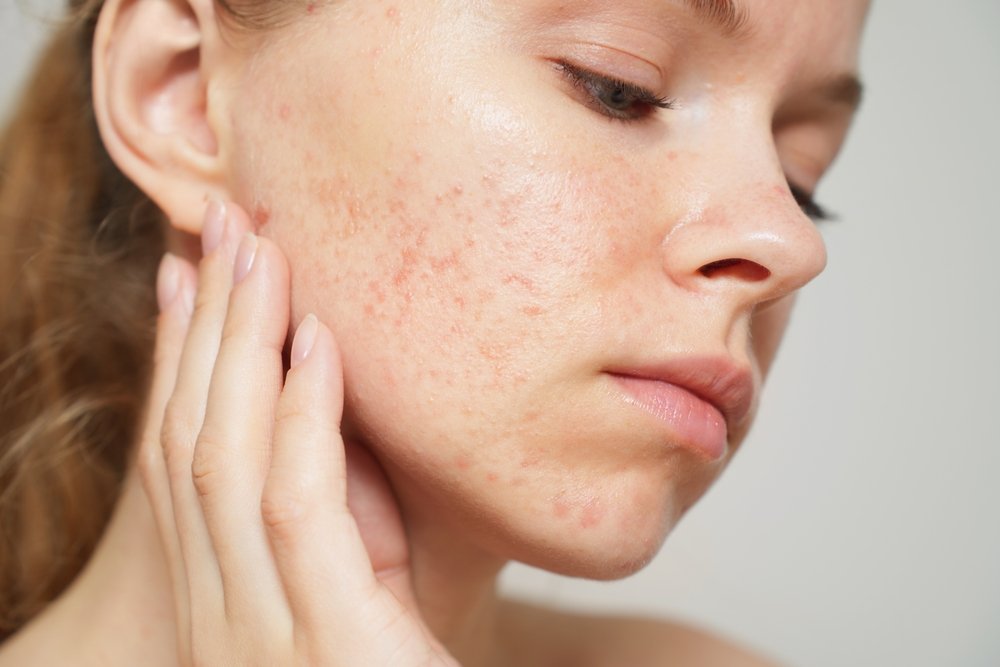
Acne is a common skin condition that is characterized by the appearance of zits, blackheads, whiteheads, and other blemishes. Acne occurs when the hair follicles get clogged with oil and dead skin cells. Acne may be caused by a number of factors, including but not limited to hormones, genetics, germs, and inflammation. Because of hormones like testosterone, the skin may produce extra oil, which may clog the pores and lead to acne. There is some evidence that a person's genetic makeup may play a role in how prone they are to developing acne.
Which is the Acne Impact Area?
Where Does Acne Commonly Appear?
Acne tends to occur in places that have a high concentration of hair follicles and oil glands.
The face, neck, chest, back, and shoulders are the parts of the body that are most often affected by acne.
Acne tends to occur in places that have a high concentration of hair follicles and oil glands.
Acne on the face often manifests itself on the cheeks, the nose, and the forehead.
It is possible for clothes or hair products to irritate the skin around the neck, which may lead to acne there.
Acne on the chest and back can be especially difficult to treat.
Shoulder acne may be caused by straps from backpacks or clothes that fits too snugly on the shoulders.
What are the main causes of Acne?
Acne is a skin condition that is caused by a combination of factors, including:
Over Oil Production
Sebaceous glands in the skin produce an excessive amount of oil, it can clog the hair follicles and contribute to the development of acne.
Bacteria
The skin contains bacteria naturally, but certain bacteria, such as Propionibacterium acnes, can induce acne.
Inflammation
When hair follicles become obstructed, it can cause inflammation in the skin, which can result in the development of zits, blackheads, and whiteheads.
Hormones
Hormonal fluctuations, particularly during adolescence, can cause the sebaceous glands to produce more sebum, which can result in acne.
Diet
A diet high in sugar and refined carbohydrates may contribute to the development of acne, according to some studies.
Stress
Stress can cause hormonal changes in the body, which can result in acne development.
Medication
Some medications, such as lithium, androgens, corticosteroids, and lithium, may hasten the onset of acne.
Cosmetics
Some cosmetics can clog pores and lead to the development of acne, particularly those that are comedogenic or oil-based.
Environmental Factors
Exposure to certain environmental circumstances, such as pollution and high humidity, can lead to the development of acne.
Does Acne Require Any Tests?
Understanding Acne Tests
Most of the time, acne can be diagnosed without any special tests. A dermatologist can usually tell if someone has acne by looking at their face.
But if the acne is severe or out of the ordinary, a dermatologist may do more tests to rule out other face problems. These tests may include a skin biopsy, in which a small piece of skin is removed and looked at under a microscope, or blood tests to look for hormonal changes or other health problems that could be causing the acne.
It's important to remember that most cases of acne can be treated effectively with prescription medicines, so it's best to talk to a doctor to figure out the best way to treat your acne based on its type and severity.
What are the types of Acne?
Acne comes in many forms. Common types include:
Whiteheads
Closed, flesh-colored or white pimples on the skin.
Blackheads
Small, dark skin bumps. Oil and dead skin cells fill them.
Papules
Small, red, raised bumps painful to touch.
Pustules
Pus-filled papules.
Nodules
Deep-seated, painful bumps.
Cysts
Large, pus-filled lumps deep under the skin.
What is the difference between an acne and pimple?
Acne
Acne is a skin condition that includes many types of blemishes.
However, acne refers to a skin disorder that includes pimples and other lesions. Acne includes whiteheads, blackheads, nodules, and cysts. Hair follicles blocked with oil and dead skin cells cause inflammation and lesions in this chronic illness.
Pimple
Pimples are acne lesions, skin inflammations. Most pimples are on the face, neck, chest, and back. They start as little, red, sensitive pimples and may become whiteheads, blackheads, papules, pustules, nodules, or cysts as they get inflamed.
Ayurvedic Say on Acnes and Risk Factors
An imbalance in the doshas, which can be thought of as the body's energy forces, is said to be the root cause of acne in Ayurvedic medicine. Acne is specifically linked to an excess of the Pitta dosha, which is responsible for controlling digestion and metabolism. Acne can be treated by balancing your doshas.
Alterations to a patient's diet, as well as their lifestyle and the use of various herbal medicines, are often included in an Ayurvedic treatment plan for acne. Neem, turmeric, aloe vera, sandalwood, and tea tree oil are a few examples of Ayurvedic treatments that are frequently recommended for acne. In addition, in Ayurveda, there is a strong emphasis placed on the need of keeping a healthy lifestyle in order to help prevent and control acne. This includes getting enough sleep, learning how to manage stress, and developing good cleanliness practice.
How Ayurveda Can Help in Acne Prevention?
Diet
Ayurveda recommends a diet that is balanced and tailored to the dosha type of the individual. In general, it's best to stay away from foods that are hot, fried, oily, and processed. Instead, try to eat whole, nutrient-dense foods like fresh fruits and veggies, whole grains, and lean protein sources.
Changes in Lifestyle
Ayurveda stresses how important it is to live a healthy life to avoid acne. This means getting enough sleep, working out daily, dealing with stress, and taking care of your hygiene.
Herbal Treatments
Ayurveda has a number of herbal treatments for acne that can help avoid and treat it. Many people use neem, ginger, aloe vera, sandalwood, and tea tree oil as treatments.
Detoxification
Ayurveda says that you should do it regularly to get rid of toxins in your body that can cause acne. This can be done with oil pulling, yoga, and meditation, among other things.
Ayurvedic Treatments
Ayurvedic facials and herbal steam baths can help clean the face and keep acne from happening.
Mind-Body Practices
Ayurveda recognises the connection between the mind and the body, and practises like yoga and meditation can help to reduce stress and improve general health and well-being.
Ayurvedic Remedies For Acne
Ayurveda has a number of natural treatments for acne that can help stop breakouts and keep them from getting worse. Here are some popular acne treatments from Ayurveda:
Neem
Neem is a strong plant that can kill both bacteria and fungi. It can help clear up acne and clean the face. Neem can be used as a face pack or as a supplement taken by mouth.
Turmeric
Turmeric is a strong anti-inflammatory plant that can help reduce acne-related swelling and redness. You can put it on your face as a mask or take it as a vitamin.
Aloe vera
Aloe vera is a soothing plant that can help reduce swelling and speed up the healing process. It can be put on the skin as a gel or cream, or it can be taken by mouth as a vitamin.
Chandan
Sandalwood is a cooling plant that can help calm irritated skin and stop acne from happening. It can be put on the skin as a paste or in the form of a face pack.
Tea tree oil
Tea tree oil is a strong antibiotic and antifungal oil that can help clean the skin and stop acne. It can be put on the face directly or put in a facial steam.
Guggulu
Guggulu is a resin that can help lower inflammation and rid the body of toxins.
Manjistha
Manjistha is a herb that can help clean the blood and help the skin stay healthy.
What not to do
High-glycemic index foods
These foods can cause a spike in blood sugar and insulin levels, which can increase sebum production and inflammation, which can lead to acne. Sugary drinks, white bread, pasta, and rice are all examples.
Dairy products
Some studies have found that dairy products, especially skim milk, might be linked to acne. It's not clear why this happens, but hormones or other things in milk could be to blame.
Processed and fried foods
These foods are often high in bad fats and can cause inflammation, which can make acne worse.
Iodine
Iodine is an element that can be found in some foods and supplements. Some people who eat a lot of iodine get acne when they eat a lot of it. Seaweed, shrimp, and iodized salt are all foods that are high in iodine.
Recommended Ayurvedic Medication for Acne
Neem capsules or neem oil
Neem is a strong plant that can help treat acne because it kills bacteria and reduces inflammation. You can either take neem pills or put neem oil on the area directly.
Turmeric capsules or paste
Turmeric is another herb that can help get rid of acne because it has anti-inflammatory qualities. You can take pills of turmeric or put a paste of turmeric on the area.
Aloe vera gel
Aloe vera has healing and soothing qualities that can help reduce acne-related inflammation and redness. Fresh aloe vera juice should be put directly on the wound.
Triphala capsules
Triphala is a mix of three fruits that are good for fighting germs and reducing inflammation. Taking Triphala capsules may help with digestion and lessen acne.
Manjistha
Manjistha comes in the form of capsules or powder. Manjistha is a plant that helps clean the blood and get rid of toxins in the body. Taking pills or powder made from Manjistha may help clear up acne.
Frequently Asked Questions
What does acne look like
Acne include pimples, blackheads, whiteheads, and occasionally cysts or nodules on the skin. Acne can have a variety of appearances. Raised lumps on the skin that are often red and inflammatory are known as pimples. They might have a pus-filled white, yellow, or orange centre. Whiteheads are similar to blackheads in that they are closed pores with a white or flesh-colored bump on the surface, whereas blackheads are tiny, dark spots that form on the skin's surface. Nodules and cysts are larger, more painful pimples that can be highly inflammatory. They can leave scars after healing and are frequently pus-filled.
What cause acne on cheeks
There are several potential causes of acne on the cheeks. Hormonal changes, which can cause acne in women during menstruation or pregnancy or in teens going through puberty, are one of the most prevalent causes. Acne susceptibility and the location of acne on the face are both influenced by genetics. Additionally, unsound skincare practises might irritate the skin and cause outbreaks of acne. This includes using harsh skincare products or not washing the face correctly. Additionally, acne on the cheeks may result from a diet strong in processed foods, sweets, and dairy items. Environmental factors can also harm the skin and cause breakouts, such as exposure to pollution, UV radiation, and other chemicals.
How can I clear my acne naturally
Clearing acne naturally involves maintaining good hygiene practices, managing stress, and using natural remedies such as tea tree oil, aloe vera, and zinc supplements. Drinking plenty of water and avoiding touching your face can also help prevent acne breakouts. However, if you have severe or persistent acne, it's best to consult a dermatologist for proper diagnosis and treatment options.
What foods causes acne
These foods can cause a spike in blood sugar and insulin levels, which can increase sebum production and inflammation, which can lead to acne. Sugary drinks, white bread, pasta, and rice are all examples.
Some studies have found that dairy products, especially skim milk, might be linked to acne. It's not clear why this happens, but hormones or other things in milk could be to blame.
These foods are often high in bad fats and can cause inflammation, which can make acne worse.
Iodine is an element that can be found in some foods and supplements. Some people who eat a lot of iodine get acne when they eat a lot of it. Seaweed, shrimp, and iodized salt are all foods that are high in iodine.
Can I pop my acne?
Popping or picking at acne is not advised since it can cause further inflammation, scarring, and infection. Squeezing or picking at a pimple can force its contents further into the skin, escalating the inflammation and increasing the risk of scarring. Additionally, popping a pimple can cause an infection by introducing bacteria from your fingers into the affected area. It's ideal to let a pimple heal naturally.
Does stress causes acne
Although not the only factor, stress can play a role in the onset of acne. Your body releases stress-related chemicals like cortisol and adrenaline, which can cause your skin's oil glands to generate extra oil. Acne can occur as a result of clogged pores caused by excessive oil production. Stress can also weaken your immune system, making it more difficult for your body to fight off microorganisms that cause acne. Stress can also make you more likely to touch your face or neglect proper hygiene habits, both of which can aggravate acne.